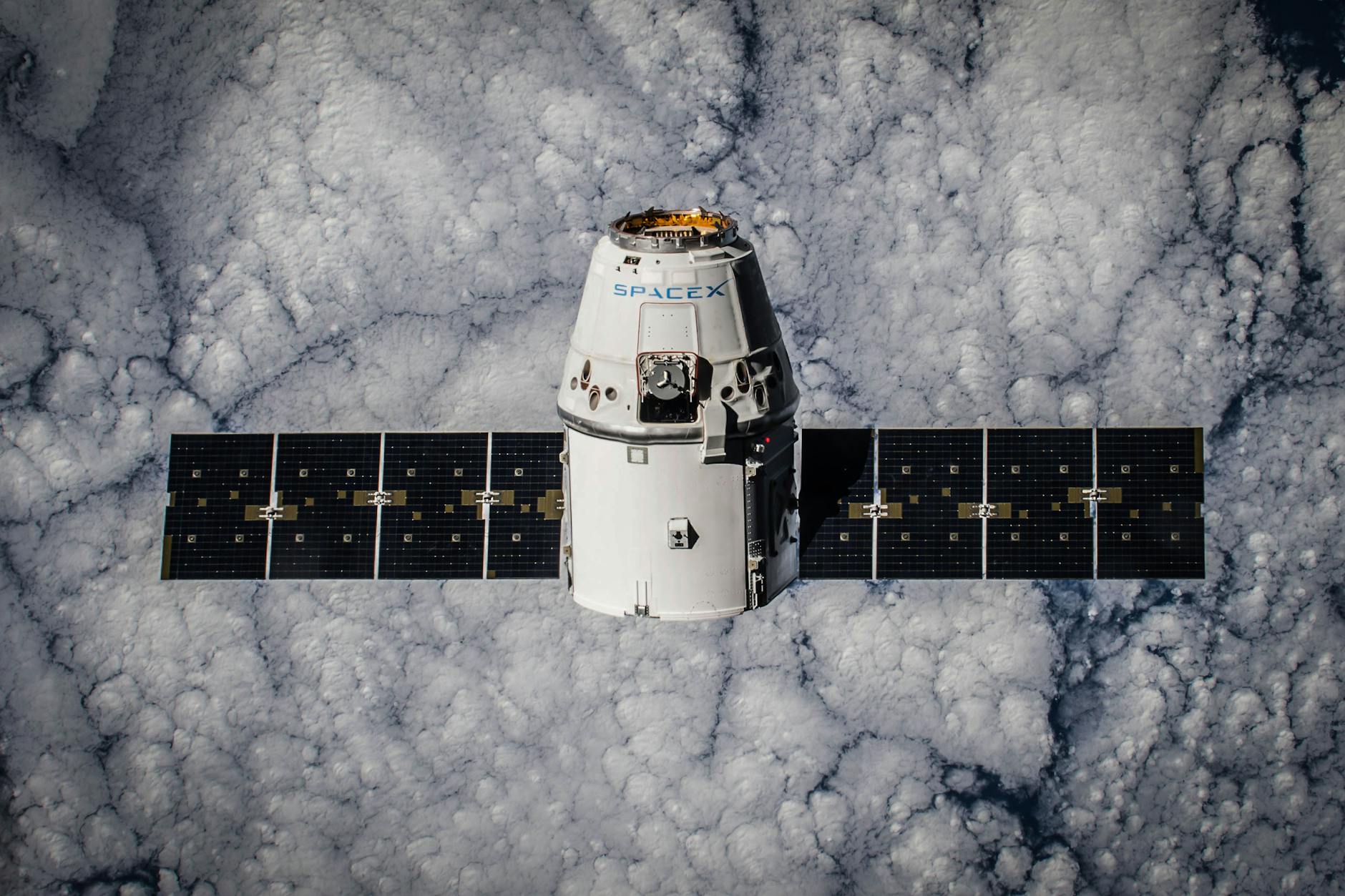
In a surprising turn of events, shares of SpaceX experienced a notable decline following an initial surge after the company's much-anticipated initial public offering (IPO). After debuting on the stock market with a bang, the aerospace giant saw its stock price soar, fueled by investor enthusiasm surrounding its ambitious plans for space exploration and satellite technology. However, the excitement has since waned, raising questions about the sustainability of the company's market performance in the face of increasing competition and economic uncertainties.
On the day of its IPO, SpaceX shares opened at $150, reflecting strong demand and a market capitalization that placed it among the most valuable private companies in the world. Investors were quick to buy into the hype generated by the company's recent successes, including the successful launch of its Starship spacecraft and the expansion of its Starlink satellite internet service. Analysts had predicted that the stock would continue to rise as the company secured more contracts and partnerships, particularly with NASA and other governmental entities. However, just a week later, shares began to slip, closing at $120, a decline of 20% from its peak.
Market analysts attribute the downturn to several factors, including broader economic concerns and a growing skepticism about the long-term profitability of SpaceX’s ventures. As the global economy faces inflationary pressures and potential recessionary signals, investors are becoming more cautious, particularly in high-growth sectors like aerospace. Additionally, competition is intensifying, with established aerospace companies and new entrants alike ramping up their efforts in satellite technology and commercial space travel, potentially eroding SpaceX’s market share.
Despite the recent decline, many experts remain optimistic about SpaceX's future. The company has a robust pipeline of projects, including plans for lunar missions under NASA's Artemis program and its ambitious Starship missions to Mars. Furthermore, the ongoing demand for satellite internet services continues to grow, with SpaceX's Starlink positioned as a leader in this rapidly expanding market. Investors are advised to take a long-term view, as the company's innovative capabilities and the increasing importance of space technology could yield significant returns down the line.
As SpaceX navigates this volatile market landscape, the coming months will be crucial for the company’s stock performance. Investors and analysts alike will be closely monitoring its quarterly earnings reports, new contracts, and developments in its ambitious projects. The outcome of these factors will likely determine whether SpaceX can regain its momentum and reassure investors of its potential as a leader in the new space economy.